Expert-guided treks, unmatched safety, and life-changing experiences
- Best time to go : All Year Arround
- 24/7 support
- Expert Guides
- Nice Accommodations
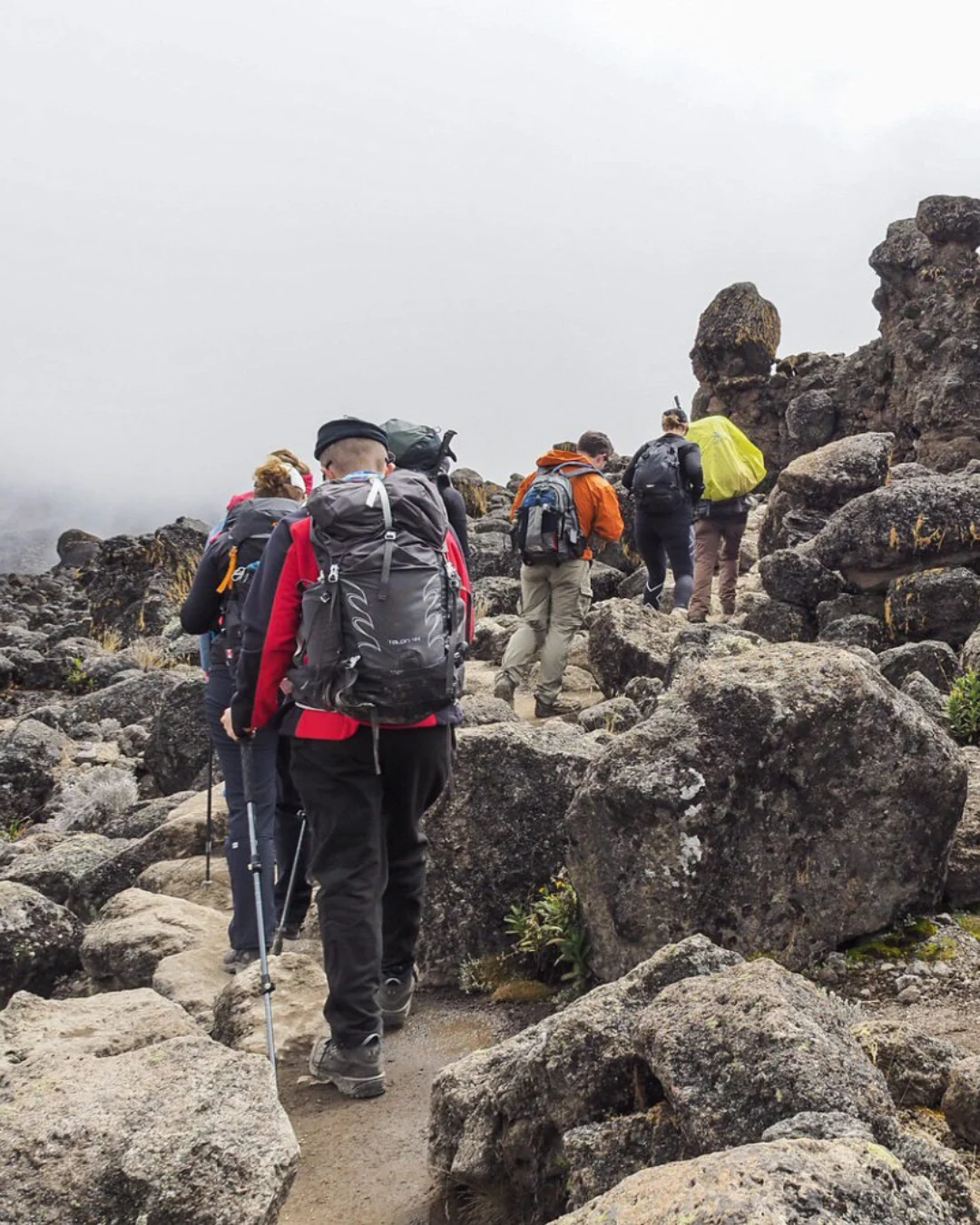
Mount Kilimanjaro, standing at 5,895 meters (19,341 feet), is the highest free-standing mountain in the world and the iconic “Roof of Africa.” Located in Tanzania, it attracts over 40,000 visitors annually, making it one of Africa’s top travel destinations. Known for its beauty, Kilimanjaro offers a trek that doesn’t require technical climbing skills, only a healthy level of fitness and determination. With over a decade of experience and having guided more than 20,000 adventurers, Hiking Kilimanjaro offers expert insights into preparing for this unforgettable journey. Kilimanjaro’s hike is primarily challenging due to altitude, but with proper acclimatization, training, and guidance, climbers of all levels can reach the summit. Several routes, such as Marangu, Machame, Lemosho, Northern Circuit and Rongai, offer varying experiences, and the best time to hike is during the dry seasons, from December to early March and June to October. Safety is paramount, with professional guides, health monitoring, and medical support throughout the climb. Whether you’re a beginner or an experienced trekker, Kilimanjaro is a challenge that, with the right preparation, anyone can conquer.
Tanzania offers several scenic climbing routes, with Mount Kilimanjaro being the most famous destination.
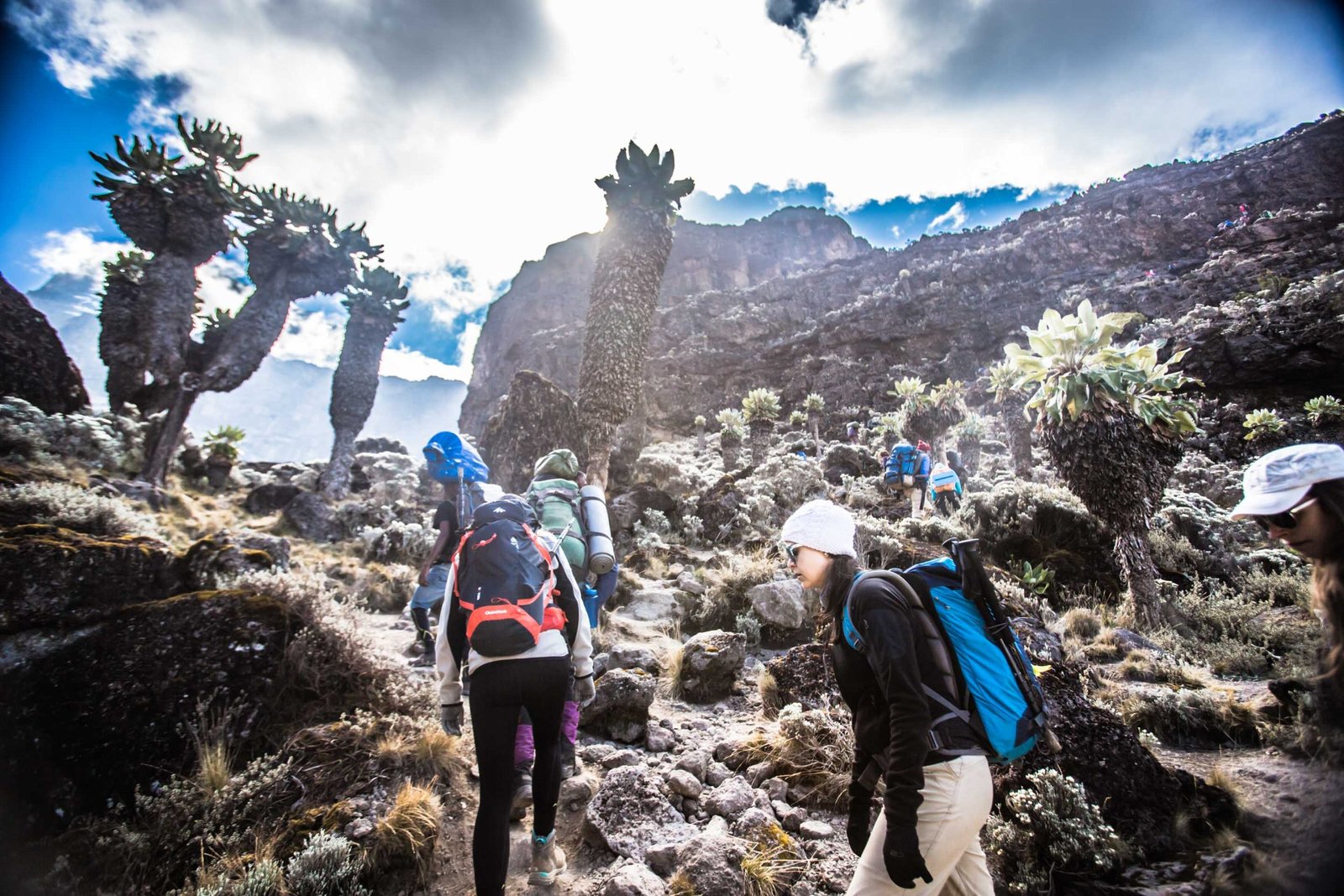
- 6 Days
- Kilimanjaro
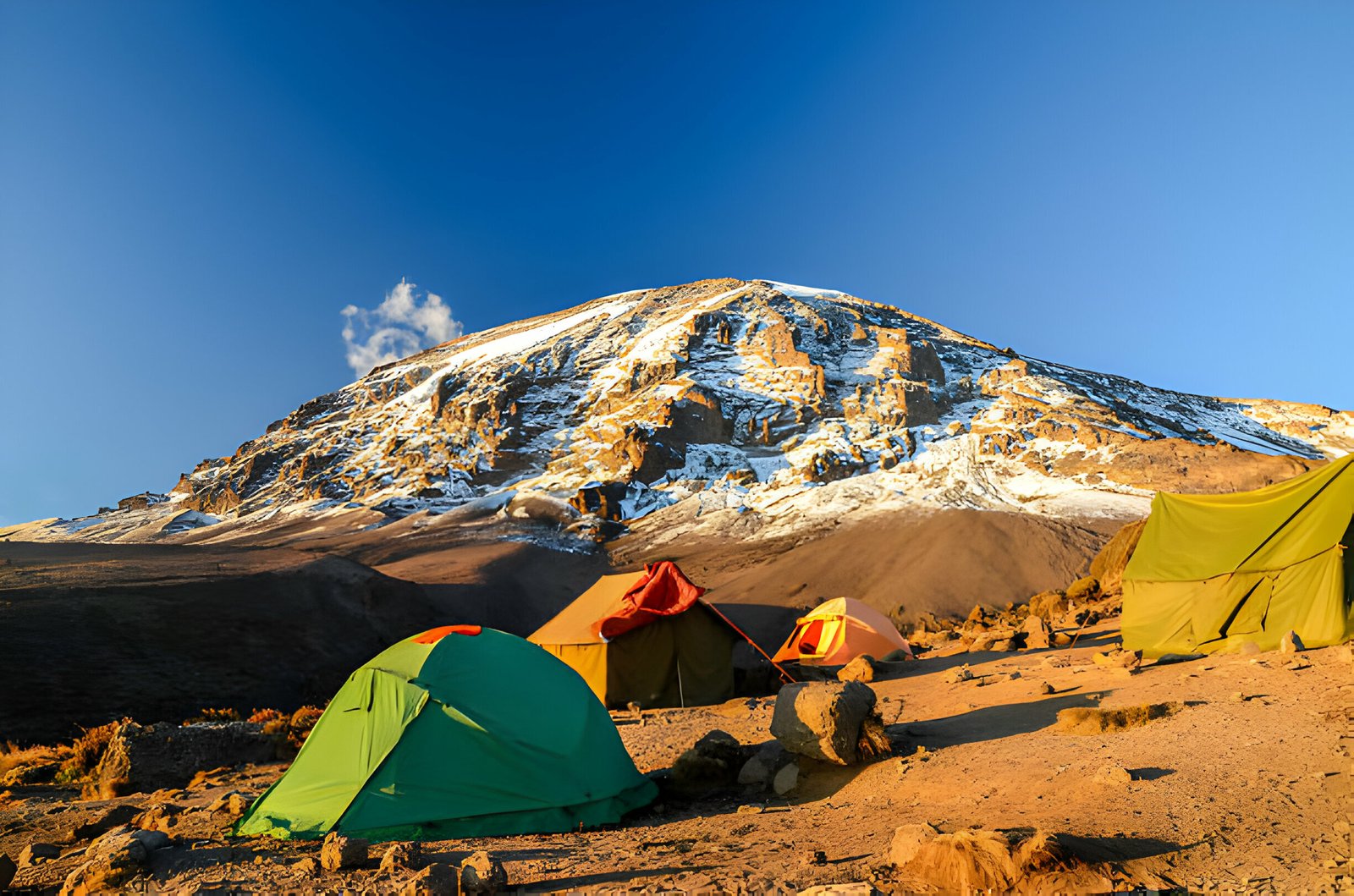
- 8 Days
- Kilimanjaro
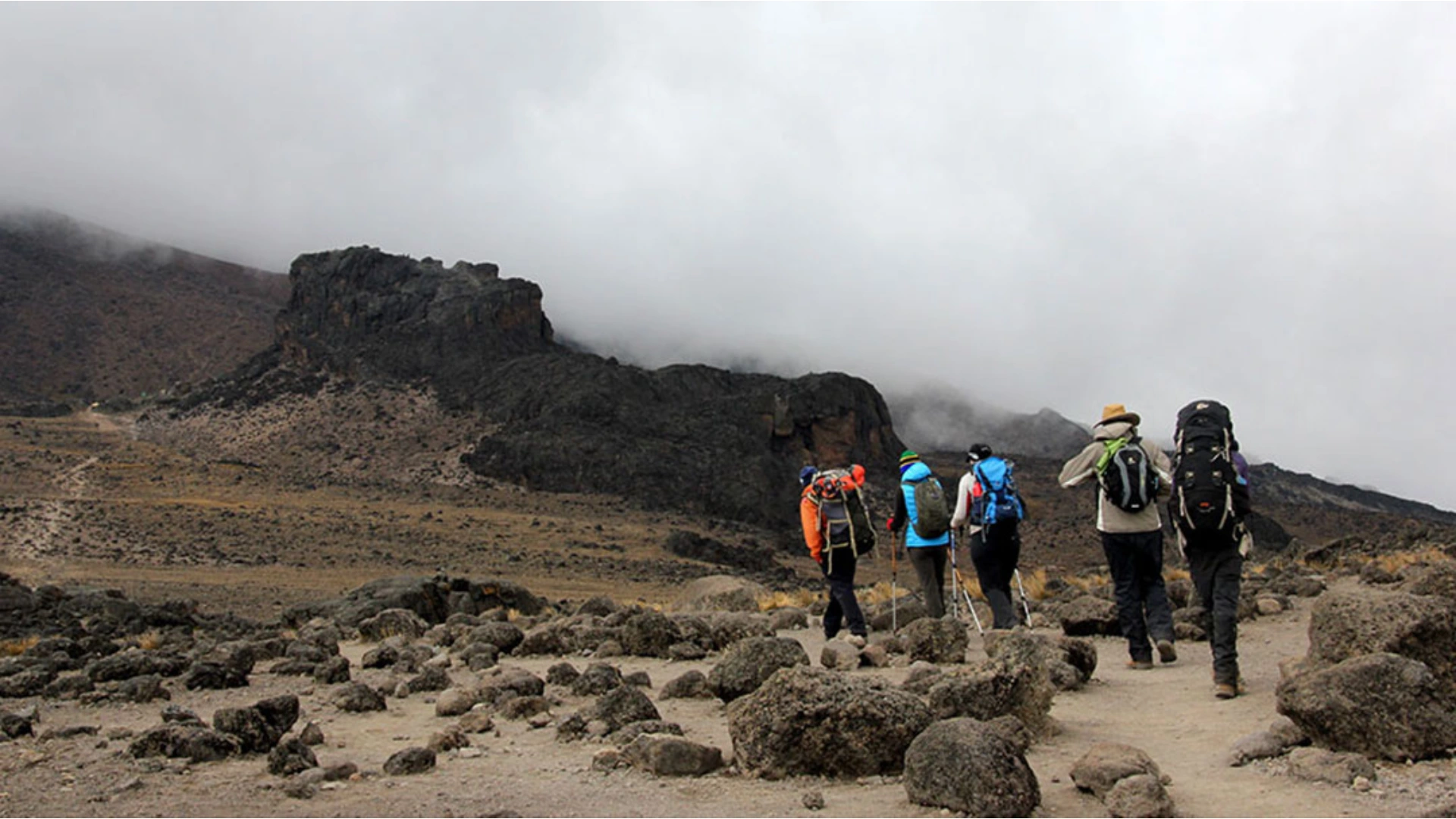
- 9 Days
- Kilimanjaro
9 Days Machame Route Hike
Machame Camp, Shira, Barranco, Karanga, Barafu Camp and Mweka Camp
- 8 Days
- Kilimanjaro
Best time to HIKE Kilimanjaro
The best time to climb Mount Kilimanjaro is during its dry seasons: December to mid-March and late June to October, with January, February, and September being particularly favorable due to clear skies, mild weather, and low rainfall. These conditions provide excellent visibility, safer trails, and a more enjoyable trekking experience. While Kilimanjaro can technically be climbed year-round, April and November are best avoided due to heavy rains, which make trails muddy and slippery, reducing visibility and increasing the risk of accidents. Shoulder seasons like late March and late May may suit experienced trekkers willing to face unpredictable weather for fewer crowds. Ultimately, choosing the right season depends on balancing trail conditions, personal schedules, and desired solitude on the mountain.
Who Can HIKE Kilimanjaro?
Anyone in good physical condition and with the determination to reach the summit can climb Mount Kilimanjaro, regardless of age or ability. The youngest person to summit was 7 years old, and the oldest was 88, demonstrating that age is not a barrier if you are fit and prepared. Many differently-abled individuals have also successfully completed the climb, proving that with the right mindset and support, anything is possible. However, it is essential to be physically prepared for the demands of a multi-day trek at high altitudes. It’s crucial to focus on stamina, fitness, and mental resilience, as the climb is challenging due to its difficult terrain and changing weather. To improve your chances of reaching the summit, pace yourself by walking slowly, taking frequent breaks, and staying hydrated to minimize the risks of altitude sickness. Ultimately, the key to success is a strong will, careful preparation, and maintaining a steady pace throughout the journey.
What to Pack for Kilimanjaro?
For Hiking Kilimanjaro, pack essential gear for varying climates and conditions. Include a waterproof jacket and pants, a fleece or down jacket for warmth, moisture-wicking base layers, and trekking pants. A high-quality pair of hiking boots with ankle support is crucial, along with warm socks and gaiters. Don’t forget gloves, a hat, and a headlamp with extra batteries. Bring sunscreen, lip balm with SPF, and sunglasses to protect from high-altitude sun. A hydration system like a Camelbak, water bottles, and purification tablets are vital for staying hydrated. For personal items, pack a sleeping bag rated for sub-zero temperatures, a small first aid kit, toiletries, and a multi-tool. Also, carry energy snacks, camera, and necessary documents like passports and permits. Ensure you have a lightweight, durable backpack for your daily essentials and a duffel bag for your gear, which will be carried by porters.
Discover authentic Africa with Wildessence Adventures.– where every journey is crafted with passion and expertise.
Expertise and Experience
Benefit from our extensive expertise and years of experience, ensuring a well-planned and smoothly executed travel itinerary.
Local Expertise
As a local company, we offer an authentic perspective, unlocking hidden gems and cultural insights for a truly immersive journey.
Variety of Destinations
Explore Tanzania diverse landscapes and cultures with our extensive range of destinations and offering a rich tapestry of experiences.
Simple Steps To Book Online
Enquire Online
Complete a short form
Get Best Options
Chat with our safari expert
Confrim and Pay
Begin your unforgrttable safari
Extend your Tanzania exploration with our related articles. Immerse yourself in captivating destinations and vibrant cultures for a fuller understanding.